
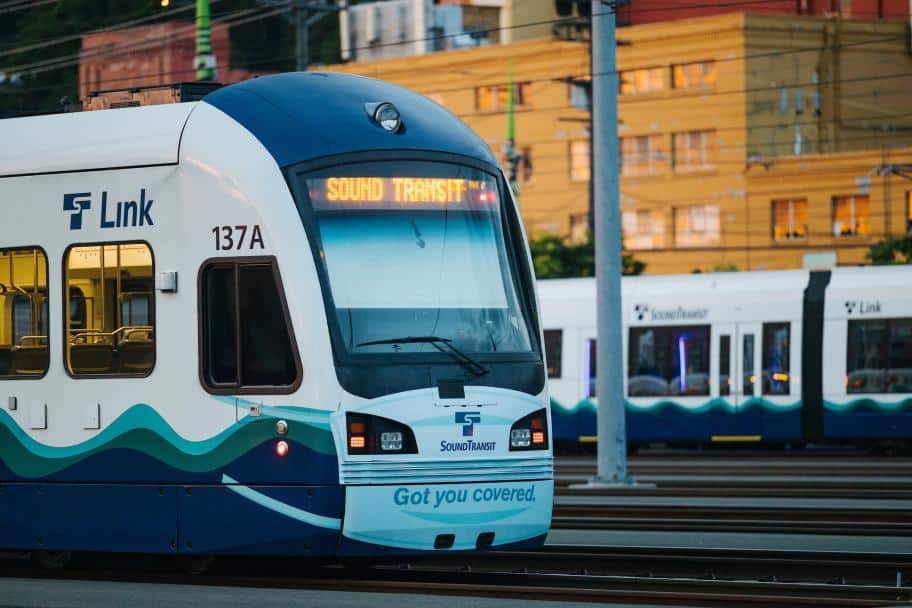
The Sound Transit Board voted Thursday to adopt an updated Sound Transit 3 system plan that keeps portions of the Ballard Link Extension moving forward while delaying the full extension to Ballard until additional funding is identified.
The updated plan was developed as Sound Transit works to address an estimated $34.5 billion funding gap over the next 20 years.
Under the plan, Sound Transit says the Ballard Link Extension’s initial segment to Seattle Center is fully funded and will move forward through construction. The agency also approved funding to complete final design work on the full Ballard project.
However, the segment between Seattle Center and Market Street in Ballard is listed among projects that are not currently affordable within existing resources. Sound Transit says it will continue pursuing additional funding opportunities for that portion of the project.
“A year after launching the Enterprise Initiative to address rapidly rising capital and operating costs and affordably deliver the objectives of the ST3 program voters approved in 2016, the Sound Transit Board has adopted an updated system plan,” the agency said in a news release announcing the vote.
Sound Transit Board Chair and Snohomish County Executive Dave Somers said the adopted plan is intended to keep projects moving while maintaining the agency’s long-term goals.
“While the financial challenges facing Sound Transit are significant, this action creates a responsible path forward that keeps critical projects moving, protects the long-term health of the system, and positions us to advance more of the ST3 vision as economic conditions improve and new opportunities emerge,” Somers said.
King County Executive Girmay Zahilay said the plan keeps the Ballard project advancing through the design phase.
“We secured meaningful progress on the West Seattle Link Extension, the long-awaited Graham Street Station, the 4 Line in East King County, and transit mitigation investments in South King County communities while keeping the Ballard Link Extension moving forward through the design phase so we can identify potential cost savings and efficiencies,” Zahilay said.
The board also rejected an amendment from Seattle City Councilmember Dan Strauss that would have prioritized construction of a Westlake-to-Ballard segment ahead of the agency’s current phased approach.
The adopted plan identifies projects that can be completed within existing funding, projects that can move through planning and design while additional funding is sought, and projects that will be deferred until more resources become available.
Sound Transit said it will continue pursuing federal and state funding opportunities, additional debt and bonding capacity, and partnerships with local governments to help advance projects throughout the ST3 program.
Photo: Sound Transit