


How To Talk To Youth About Alcohol and Vaping
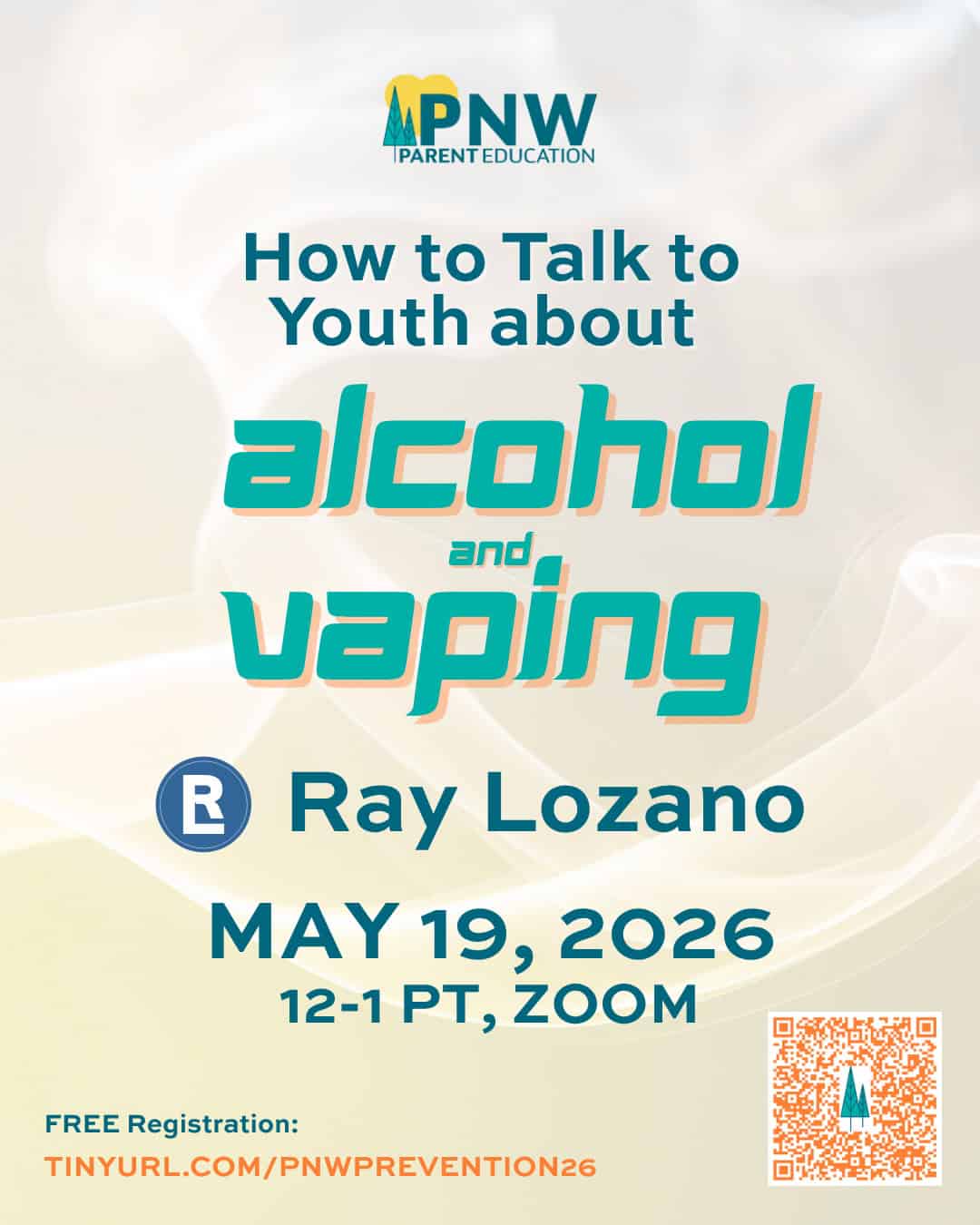
Ray Lozano, veteran prevention educator and youth motivational speaker will talk to our community about drug use prevention.
Get ready to learn. Ray Lozano speaks in a judgment-free, science-based way about drug prevention. You’re going to walk away with small, practical shifts that make a big difference in how youth hear, and respond to, your message.
Initiating Conversations Without Conflict: Parents will feel more capable of starting conversations about alcohol and vaping in a calm, non-confrontational manner. They will gain practical tools for opening dialogue in ways that reduce defensiveness, increase receptivity, and encourage youth to participate in the conversation rather than avoid it.
Communicating Without Lecturing or Judging: Parents will develop greater confidence in using neutral, nonjudgmental language that preserves trust and minimizes resistance. This includes learning how to express expectations and concerns clearly without relying on fear-based messaging, over-explaining, or corrective lecturing that can undermine communication.
Maintaining Ongoing, Trust-Based Dialogue: Parents will feel equipped to move beyond one-time “talks” and instead sustain ongoing, low-pressure conversations over time. This approach reinforces protective factors, strengthens the parent–child relationship, and supports healthier decision-making as youth encounter new social pressures.
About Ray Lozano
Ray Lozano is a veteran prevention educator and youth motivational speaker with 35 years of experience delivering evidence-informed programming for adolescents. He developed and led a secondary youth intervention program at Loma Linda University Medical Center, working directly with high-risk youth through engagement-based strategies that strengthen protective factors, support informed decision-making, and promote positive behavior change. His work aligns with evidence-based prevention practices, with a focused emphasis on helping youth understand risk, communicating in ways that resonate, and modeling professional responsibility, using non-judgmental, developmentally appropriate messaging that connects with young people.